
 Svenska
 Dansk
Dansk
 Deutsch
 Français
 Español
 Suomi
Suomi
 Norsk
Norsk
 Nederlands
 10 facts about Coleus
 5 accessory tips for coleus
 Blue coleus
 Soil for coleus
 How to trim coleus plants
 Rare coleus
 Coleus seeds
 Coleus care
 Coleus varieties
 Coleus outdoors
 Coleus during the winter
 Coleus problems
 How to grow coleus plants from seeds
 Are coleus toxic to cats?
Cart
Your cart is empty, but doesn't have to be..
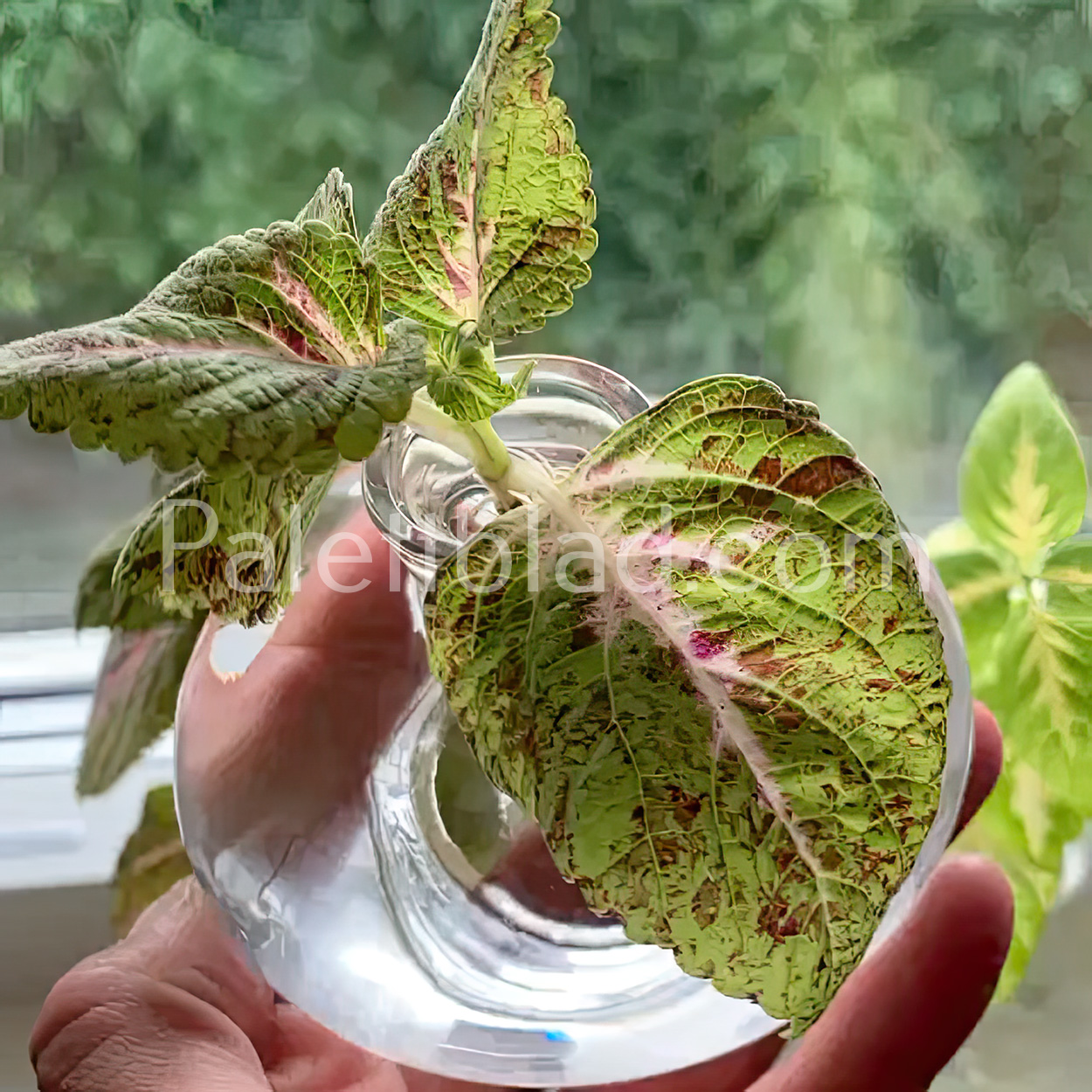
Cuttings are the easiest way to get more coleus and the only way to get an exact copy of a plant you love. A seed can turn into anything, but a cutting is genetically the same plant with exactly the same colors and patterns. Cuttings are also your best insurance in autumn. A small copy on the windowsill overwinters more easily than a large plant, and if the original doesn't make it through the winter, you still have your favorite.
1. Choose a healthy top shoot with about six leaves from a plant with no pests and no drooping leaves. Cut from a well-watered plant if you can, as the cuttings will root much better.
2. Cut just below a leaf pair. Aim for a cutting around 5–10 cm. Better a little too long than too short.
3. Remove the bottom leaf pair or two so you get a bit of bare stem to root.
Cuttings can be taken from spring to late autumn, and the tops you cut off anyway when you're shaping your plant are ready-made cuttings. Even plain stem pieces with no top will work. They send out new shoots from the leaf axils and branch naturally from the start.
Both work great but have their pros and cons.
In water you see exactly what's happening. Roots appear after about one to two weeks, and you can see exactly when it's time to plant. Change the water every few days to keep it fresh. The downside is the transition. Water roots need one to two weeks to adjust to soil after planting. So the plant often stalls for a while.
Straight in soil, the cutting skips that transition. The roots are soil roots from the start. The downside is that you can't see what's happening and that watering is trickier. The soil should be evenly moist but never wet. A cutting without roots rots easily in soil that's too wet. A mini greenhouse or a plastic bag over the pot helps with humidity. Lean sowing soil is a safe choice. Too much plant food can damage tender new roots.
Not sure which to pick? Start with water. It's the easiest way to follow what's happening and the hardest to get wrong.
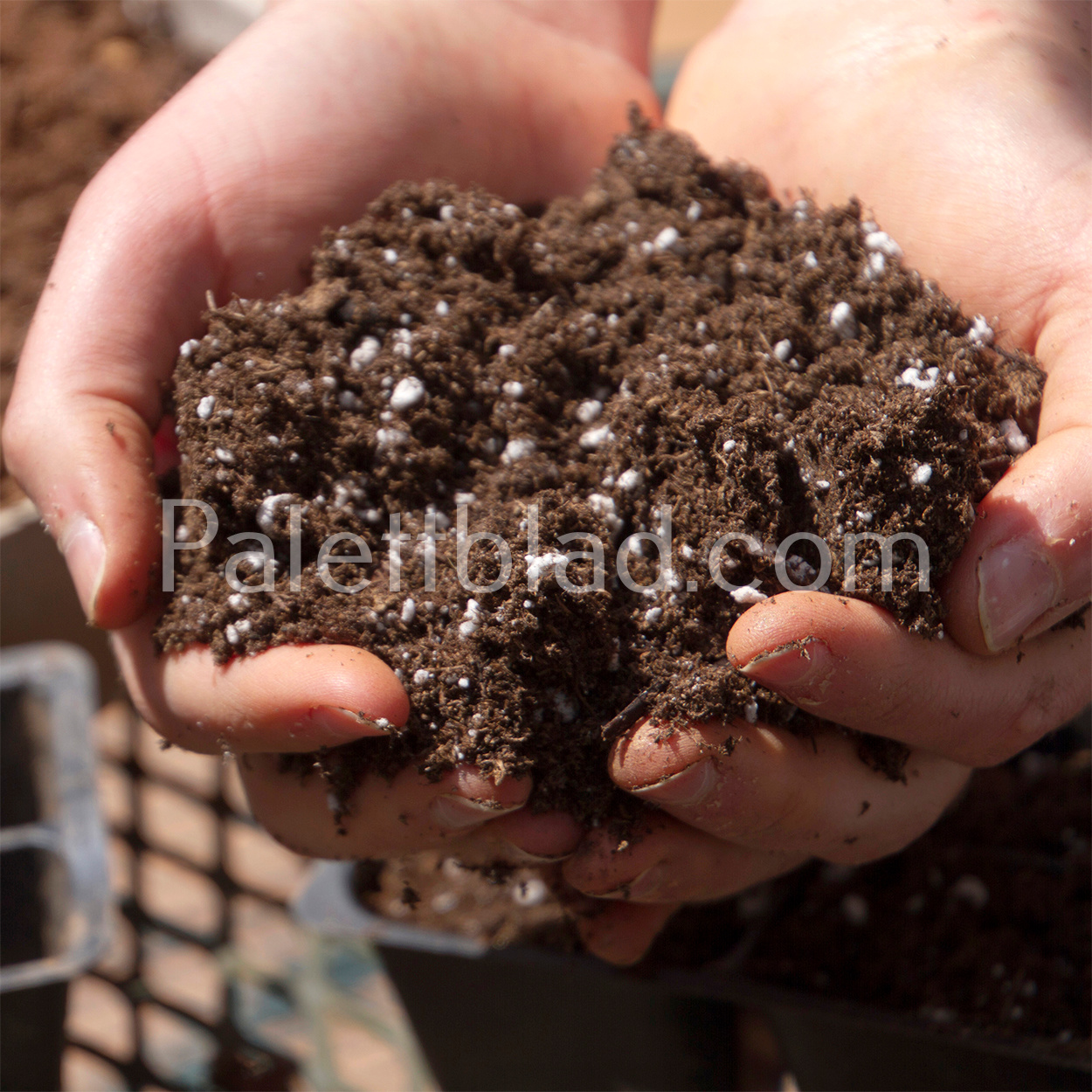
Plant in a small pot with a drainage hole. Ordinary potting soil mixed with perlite makes the soil airy so the new roots thrive. The soil already contains what the plant needs for the first few weeks, so no extra feeding is needed at the start. Exactly how to mix the best soil is covered in Soil for coleus. Place it somewhere bright but out of direct sun. Repot into a larger pot when the roots find their way out through the drainage holes. Coleus grow fast and may need a new pot several times in a season.
Want a really dense, full plant? Put two or three cuttings together in the same pot and pinch them early. Then they branch from the start.
Did a cutting arrive in the mail looking half dead? Don't throw it away. A firm, healthy stem means it's alive, even if the leaves droop after shipping. Make a fresh cut, place it in water and keep it out of direct sun. Then leave it alone for a week. The vast majority recover and root in about a week.
Trading cuttings is the great joy of the coleus world but also the most common way pests spread. Inspect every new cutting carefully and keep it in quarantine for a while before it moves in with your other plants. What to look for and how long the quarantine should last are covered in Coleus problems.
In winter, cuttings can replace overwintering large plants. Take copies of your favorites in autumn and keep them somewhere bright. In spring, you start over with fresh young plants. There's more about winter in Coleus during the winter.
Your cart is empty, but doesn't have to be..